


New
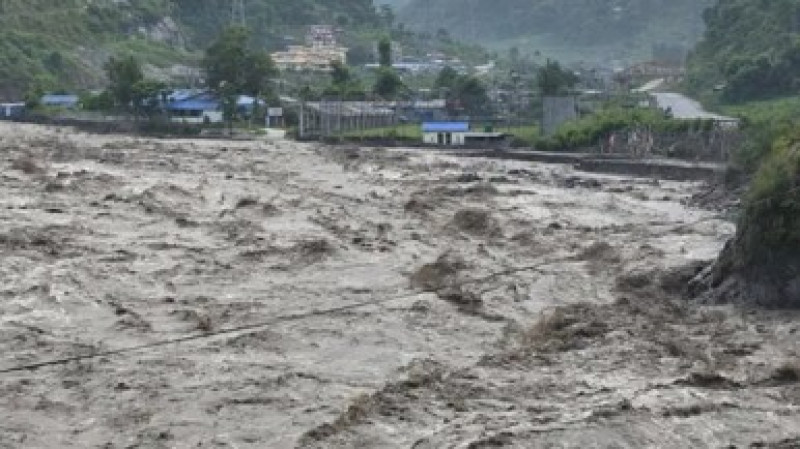
03/09/2026Un disastro improvviso: l’inondazione in Nepal
Molti di voi ci hanno contattato chiedendoci informazioni in merito all’inondazione che ha colpito il Nepal il 26 agosto 2026.
Una notizia improvvisa e lacerante, che non ci aspettavamo e che, purtroppo, ci mette di fronte, per l’ennesima volta, a un nuovo e devastante disastro ambientale. Abbiamo aspettato un po’ prima di pubblicare questo articolo, per raccogliere quante più informazioni possibili dai nostri partner e amici nepalesi.
Ci teniamo a specificare, prima di tutto, che la squadra di Sarbodaya Nepal Jumla e del progetto WESD – Women Empowerment Sustainable Development è al sicuro, in quanto si trovano più a ovest rispetto all’area maggiormente colpita.Tutti stanno bene e si sono prontamente attivati per fornirci informazioni e raccogliere quanti più dati possibili, così da poter sostenere efficacemente la comunità di Rasuwa, duramente colpita da questa tremenda inondazione.
Come Fondazione, inoltre, sosteniamo da circa due anni il progetto di ASIA ETS, il cui obiettivo è migliorare i mezzi di sussistenza attraverso le filiere produttive del caffè e del miele. Per il momento le municipalità di Naukunda in cui si sviluppa il progetto non sembrano essere state direttamente colpite se non da danni collaterali come la chiusura delle strade principali e i tagli sulle linee telefoniche.
Ma ASIA lavora da oltre dieci anni su più aree del distretto di Rasuwa. Dal loro comunicato stampa apprendiamo che, per fortuna, tutto il loro gruppo di collaboratori è al sicuro e l’organizzazione si è immediatamente attivata per raccogliere informazioni e attivare tempestivamente gli interventi di emergenza.
Ma cosa è successo, in concreto? Che cosa ha provocato questa tremenda inondazione?
Secondo quanto ci ha riferito Sarbodaya Nepal Jumla, nella mattina del 26 agosto 2026 si è verificato un improvviso e devastante episodio di inondazione nel fiume Bhote Koshi, nel distretto di Rasuwa, nella provincia di Bagmati. La gigantesca piena ha interessato anche le aree situate a valle, in particolare Chitwan, Dhading e Nuwakot, oltre alle aree limitrofe collegate al fiume e appartenenti al relativo bacino idrografico.
Secondo le osservazioni satellitari e i dati forniti dallo United States Geological Survey (USGS) e dall’International Centre for Integrated Mountain Development (ICIMOD), questa violenta e gigantesca massa d’acqua sarebbe stata causata dal collasso di un ghiacciaio, che avrebbe generato un’onda di piena carica di fango e detriti, riversatasi a valle nel sistema fluviale del Bhotekoshi-Trishuli, in una zona di confine tra il Nepal settentrionale e il Tibet meridionale.
Sembra che le cause di questa tragedia possano essere ricondotte a due fattori principali. Come riportato da Franco Salerno, dell’Istituto di Scienze Polari del Consiglio Nazionale delle Ricerche (CNR-ISP): «Da un lato, il continuo sollevamento tettonico dell’Himalaya rende più probabili crolli e cedimenti. Dall’altro, il riscaldamento globale degrada il permafrost e accelera la fusione glaciale. Gli scienziati di ICIMOD invitano alla cautela nello stabilire un nesso causale diretto per questo singolo episodio, ma la sinergia tra fragilità geologica e forzante climatica trasforma inesorabilmente queste aree in ambienti ad altissimo rischio».
A causa della portata catastrofica e senza precedenti dell’evento, i dati esatti relativi alle perdite e ai danni sono ancora in continuo aggiornamento. Da quanto riportato dalle diverse fonti, ad oggi si contano oltre 1.000 morti e più di 4.000 dispersi.
Siamo profondamente colpiti da quanto è accaduto e le notizie che ci arrivano non sono per niente confortanti. Il nostro pensiero va inevitabilmente al terremoto del 2015, un’altra immane tragedia che colpì il Nepal e che ancora oggi rimane profondamente impressa nella memoria del popolo nepalese e di chi conosce e ama questo Paese.
Nella foto: La scuola secondaria Tribhuwan Trisul travolta dall’alluvione, fonte: Sarbodaya Nepal Jumla
Amore è la luce dello spirito Quando abbiamo bisogno della luce? Non durante il giorno, ma quando regna la notte. Allora ci occorre una lampada, una fiamma, la luna. Fate del vostro meglio per portare luce e amore nella vita di coloro che incontrate.
Sathya Sai Baba

Fondazione ETS
Via Franchetti, 11
51100 Pistoia Italia
Tel +39 0573 31291
Fax +39 0573 907082
fondazione@unraggiodiluce.org

bank transfer on the bank account n. 59472357, headed by Fondazione Un Raggio di Luce ETS
Bank transfer to
IT86 X010 3013 8090 0000 0571 909
Banca Monte dei Paschi di Siena
headed by Fondazione Un Raggio di Luce ETS
By credit card or PayPal by clicking on our payment page. Thus, you will make your payment in perfect security



In order for this site to work correctly, and for us to improve the site we need to store a small file (called a cookie) on your computer. Most every site in the world does this, however it seems that now, by law, we have to get your permission first. If you click agree below we will store all needed cookies and you'll notice no diffence, if you click on I don't agree (and while you don't click on I agree) we will not store cookies other than the strictly necessary ones.But in that case you will not be able to post comments, see and use social buttons, etc. Privacy policy
Un Raggio Di Luce: Cookies
To provide the best experiences, we use technologies such as cookies to store and/or access device information. Consent to these technologies will allow us to process data such as your browsing behavior or unique IDs on this site. Not consenting or withdrawing consent may adversely affect some features and functions.
| Name | Dominio | Period | Description |
|---|---|---|---|
| PHPSESSID | sessione | It is native to PHP applications. The cookie stores and identifies a user's unique session ID to manage user sessions on the website. The cookie is a session cookie and will be deleted when all browser windows are closed. | |
| jsNoCookieCheck / jsCookieCheck / jsStrictCookieCheck / jsNecessaryCookieCheck | permanente | ||
| user_id | sessione | Session id for the logged in user. | |
| bm_sz | 1 giorno | Mailchimp: Used in the context of the website BotManager. The BotManager detects, categorizes and compiles reports on potential bots trying to access the site. | |
| _abck | 1 anno | Mailchimp: Used to detect and defend 1 year against cookie replay attacks - The cookie is necessary for the security and integrity of the website. | |
| ak_bmsc | 1 giorno | Mailchimp: This cookie is used to distinguish between humans and robots. This is useful for the website, in order to make valid reports on the use of the site. | |
| k-news | sessione |
| Name | Dominio | Period | Description |
|---|---|---|---|
| YSC | sessione | Youtube sets this cookie to track views of videos embedded in Youtube pages. | |
| VISITOR_INFO1_LIVE | 6 mesi | ||
| VISITOR_PRIVACY_METADATA | 6 mesi | Youtube unclassified. | |
| CONSENT | 6 mesi | YouTube sets this cookie via embedded YouTube videos and records anonymous statistical data. | |
| yt.innertube::nextId | persistente | YouTube sets this cookie to store your video preferences using embedded YouTube videos. | |
| ytidb::LAST_RESULT_ENTRY_KEY | persistente | Used to track user interaction with embedded content. | |
| YtIdbMeta#databases | persistente | Used to track user interaction with embedded content. | |
| yt-remote-cast-installed | persistente | Stores the user's video player preferences using the embedded YouTube video. | |
| yt-remote-connected-devices | persistente | Stores the user's video player preferences using the embedded YouTube video. | |
| yt-remote-device-id | persistente | Stores the user's video player preferences using the embedded YouTube video. | |
| yt-remote-fast-check-period | sessione | Stores the user's video player preferences using the embedded YouTube video. | |
| yt-remote-session-app | sessione | Stores the user's video player preferences using the embedded YouTube video. | |
| yt-remote-session-name | sessione |
| Name | Dominio | Period | Description |
|---|---|---|---|
| _ga | 2 anni | GoogleAnalytics: Used to distinguish users. | |
| _gid | 1 giorno | GoogleAnalytics: unique identifier assigned to a user on a single website when the user is logged into a Google service in the same browser with which they access the website. | |
| _gat_UA-63858786-1 | 2 anni | GoogleAnalytics: Used for session persistence. |